
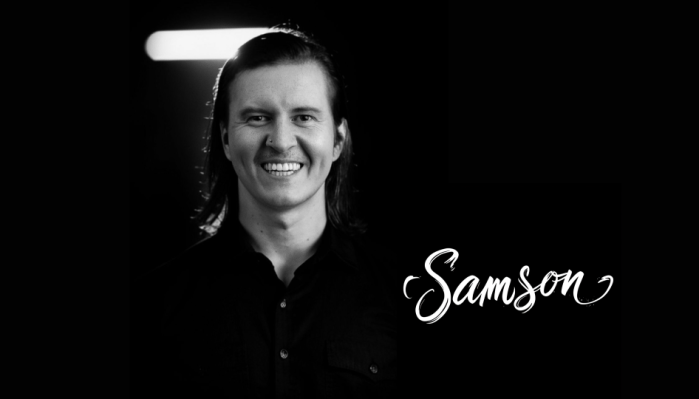

From a Film Idea to the Final Cut: Exploring Samson’s AI Filmmaker Academy
A compelling film starts with an idea. It might be a character in an unusual world, a short scene that stays with the viewer, or a story that needs only a few carefully chosen shots to make an impact. Turning that idea into a finished film, however, involves several different creative decisions: writing, visual planning, character design, animation, sound, editing, and distribution.
AI tools are changing how independent creators approach those steps. They can help generate visual concepts, explore different styles, animate images, produce music and sound effects, and experiment with scenes that might otherwise require more equipment or production resources.
But knowing which tools to use is only part of the process. A good result still depends on storytelling, consistency, timing, and creative judgment.
Samson’s AI Filmmaker Academy brings these elements together in a structured masterclass for people who want to explore filmmaking with artificial intelligence. The published syllabus contains 30 lectures across six main modules, covering the journey from story development to the promotion and monetization of an AI-assisted film.
Start with the Story, Not the Software
It is easy to get distracted by new AI tools. A creator can spend hours testing image generators, comparing video models, and experimenting with prompts without ever developing a clear film concept.
That is why the Academy begins with Storycraft.
The first module focuses on the foundations of a film: developing the central idea, creating compelling characters, and preparing a shot list. These are familiar filmmaking tasks, but they become especially important when using AI-generated visuals.
A clear story gives every generated image a purpose. Character development helps establish who appears in the film and what motivates them. A shot list breaks the story into manageable visual moments that can be created and assembled later.
This early planning can also reduce wasted effort. Instead of generating dozens of unrelated images, creators can work toward a defined sequence of scenes.
The Art of AI Filmmaking
Once the creative foundation is in place, the course moves into AI-assisted visual production.
The published syllabus covers AI art generator selection, Midjourney’s Discord and web interfaces, prompt anatomy, visual style development, motion planning, bringing a shot list to life, and character creation.
These subjects are relevant because AI image generation is not simply a matter of entering a sentence and accepting the first result. The wording of a prompt, the reference material, the selected style, and the relationship between images can all affect the final visual direction.
For a film, consistency matters. A character may need to appear in several scenes, an environment may need to retain its visual identity, and the lighting or atmosphere should support the same overall mood.
Learning to plan these details gives creators a more deliberate way to work with generative image tools. Rather than treating every image as a separate experiment, they can think about how each visual contributes to the larger film.
Advanced Animation Skills
Still images can establish a world, but movement gives a film another dimension.
The Academy’s Advanced Animation Skills module covers video-tool essentials, animating shots and transitions, creating specific movement, working with different shot lengths, upscaling video, and generating titles with AI.
These topics address a practical challenge in AI filmmaking: turning individual visual assets into footage that feels connected.
A scene may require a character to move, a camera to travel through an environment, or one shot to transition naturally into another. The creator must decide which movements support the story and which ones distract from it.
Shot duration also affects the experience. A brief transition may be enough for one moment, while a dramatic reveal may need more time. Upscaling and titles can help prepare footage for presentation, but they cannot replace thoughtful editing and visual direction.
AI animation tools can produce unpredictable results, so experimentation and revision remain part of the process. The aim is not simply to create motion; it is to use motion with intention.
Sound Is Part of the Film
A visually interesting video can still feel unfinished without suitable audio. Dialogue, music, ambience, and sound effects help establish atmosphere and make scenes easier to follow.
The AI Audio Composition module covers four advertised areas:
- AI dialogue and lip-syncing
- AI music composition
- AI voice-over
- AI-generated ambient sounds
These subjects introduce the audio side of an AI-assisted production workflow.
Dialogue and lip-syncing can help bring a character interaction to life. Voice-over can provide narration or context. Music can support the emotional direction of a scene, while ambient sounds help establish the environment.
The important creative decision is choosing audio that fits the film. A dramatic soundtrack may overwhelm a quiet scene, and poorly synchronized dialogue can make an otherwise convincing character feel artificial.
Creators should also pay attention to licensing and usage permissions. AI-generated does not automatically mean that every voice, musical output, or sound asset can be used without restrictions. Commercial use should be checked against the relevant platform’s terms and applicable law.
Editing a Short Film
The separate pieces of a production need to become one coherent viewing experience. That is the focus of the Editing a Short Film module.
The published syllabus identifies three lessons: building a rough cut, polishing the film, and preparing for its world premiere.
A rough cut is where the creator begins arranging scenes into a sequence. It helps reveal whether the story makes sense, whether the pacing works, and whether any important visual information is missing.
Polishing comes after the basic structure is established. This may involve refining transitions, adjusting shot lengths, improving audio balance, checking continuity, and making sure that the visual style feels consistent.
The final presentation is also important. A finished short film should feel like a complete piece of work rather than a collection of disconnected AI experiments.
The course’s editing section brings the production process back to a familiar filmmaking principle: technology can help create the material, but the editor shapes how the audience experiences it.
Promotion and Monetization
The final module moves beyond production and introduces the business and distribution side of AI filmmaking.
The published syllabus lists three topics: understanding AI copyright, profiting from AI cinema, and effective AI film promotion.
This is a useful area for creators who are interested in more than personal experimentation. A completed film may become part of a portfolio, a social media project, a promotional campaign, or a creative service offered to clients.
However, commercial use involves more than uploading a video. Creators should consider the rights associated with generated images, music, voices, reference material, and any third-party assets used in production. They should also understand the rules of the platforms where their work will appear.
Promotion requires its own strategy. A strong film still needs an appropriate audience, a clear presentation, and a distribution plan. The course introduces monetization and promotion as subjects to explore, but no particular income or audience result should be assumed.
Who Is This Academy For?
Aspiring AI filmmakers: People who want a guided introduction to combining storytelling with image generation, animation, audio, and editing.
Content creators: YouTube creators and social media publishers who want to experiment with more cinematic AI-assisted videos.
Video editors: Editors interested in adding generative visuals, AI audio, and animation techniques to their existing workflow.
Digital artists and designers: Visual creatives who want to explore how still-image skills can contribute to moving-image projects.
Independent filmmakers: Filmmakers curious about using AI for concept development, visual experimentation, and selected production tasks.
Creative entrepreneurs: People exploring AI filmmaking as a possible addition to a portfolio or creative service business.
What the Official Academy Advertises Beyond the Masterclass
The official AI Filmmaker Academy website also describes a broader membership experience. Its advertised features include a private community, monthly live Q&A sessions, group calls, professional feedback, prompt guides, resources, community events, and software discounts.
The site also presents different payment options, including a monthly membership and higher-priced plans. These offers and their terms can change, so the current official page should be checked before making a purchase decision.
A standalone course package should not automatically be described as including all membership benefits. Community participation, live calls, mentorship, updates, and software discounts are separate access considerations that need to be verified for the particular offer.
A Few Practical Things to Know Before Starting
AI filmmaking can be approachable, but the workflow still involves learning several tools and making creative decisions. It is worth keeping a few points in mind:
- Tool access: Image generation, video generation, music, and voice platforms may have separate plans, usage limits, or credits.
- Practice time: Completing lessons is different from developing a finished film. Allow time to experiment and revise.
- Changing software: AI platforms evolve quickly. Some demonstrations may need to be adapted when interfaces or features change.
- Creative consistency: Character appearance, scene continuity, motion, and audio synchronization may require multiple attempts.
- Copyright and permissions: Check the commercial-use terms for every tool and asset used in a project.
- Realistic expectations: AI can speed up parts of production, but it does not guarantee professional results, audience growth, or income.
Final Thoughts
Samson’s AI Filmmaker Academy offers a structured introduction to the creative stages of AI-assisted filmmaking. Its published curriculum moves from story development and character creation through image generation, animation, audio composition, editing, and promotion.
That range makes it relevant to creators who want to understand the filmmaking process as a whole rather than focus on a single AI application.
The most useful way to approach the material is as a practical creative learning path: develop a story, plan the shots, experiment with visual tools, build movement and sound, and refine the result through editing. The tools may change, but the fundamentals of clear storytelling and thoughtful production remain important.
Product information note: This description is based on the publicly advertised syllabus and Academy information. It is not a claim of personal course completion or independently verified student results. Membership features and access terms may differ from those of a standalone course package.
Licensing note: The official Academy’s course materials, videos, templates, and other resources are protected content unless the rights holder states otherwise. Only distribute or resell the original materials with written authorization from the copyright owner.



Reviews
There are no reviews yet.