
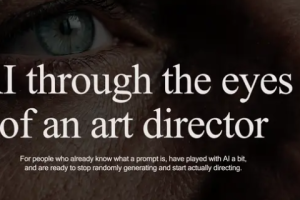

2wulffs – AI Art Direction Guide 2026: A More Thoughtful Approach to Creating With AI
An AI image generator can produce an impressive picture in seconds. But creating one attractive image and developing a complete visual concept are two very different things.
Imagine you’re developing a campaign for a luxury fashion brand. You need a particular atmosphere, a consistent visual identity, carefully chosen lighting, recognizable characters, and images that feel as though they belong to the same creative world. Generating a collection of unrelated pictures won’t necessarily get you there.
You need direction.
That’s the creative problem explored in 2wulffs – AI Art Direction Guide. Rather than treating AI as a machine for producing random visual variations, this guide approaches it as a medium that can be directed through creative thinking, visual references, composition, camera language, and deliberate artistic decisions.
Created by 2WULFFS, the guide draws on the creator’s stated experience of more than ten years in professional art direction for global brands. Its advertised format includes over 100 pages of practical material, more than 50 in-depth prompts, AI image and video workflows, and a complete concept-film breakdown.
For designers and visual creators, the interesting part is not simply learning another set of prompts. It is understanding how to build a visual idea and guide it from the initial concept toward a finished creative output.
The art director’s perspective: start with an idea, not a prompt
A common approach to AI image creation is to open a tool, type a description, and keep generating until something looks good.
That can be entertaining, but it isn’t always an effective creative process.
If you’re creating visuals for a brand, campaign, film, or personal project, you need to know what the images are supposed to communicate. What is the mood? What kind of world are you creating? Which details should remain consistent? What should the viewer notice first?
These questions belong to art direction.
The guide places creative concept development at the beginning of the process. Instead of immediately focusing on technical prompt formulas, it emphasizes developing a clear visual direction before moving into image generation.
This means thinking about:
- The central idea behind the visual project.
- The atmosphere and emotional tone.
- The visual references that support the concept.
- The relationship between subjects and environments.
- The overall aesthetic that connects individual images.
- The visual details that make the final work recognizable.
A well-defined concept gives the AI generation process a purpose. It also gives the creator a clearer standard for judging whether a result is suitable.
Building a visual world that feels connected
Consistency is one of the more difficult parts of AI-assisted creative work.
You might generate a beautiful character in one image, but when you create another scene, the appearance changes. The environment looks different, the lighting feels unrelated, and the overall style begins to drift.
This can become a problem when you’re developing a campaign, a sequence of images, or a short film.
The guide’s advertised coverage of character and world building addresses this broader creative challenge.
The process involves establishing visual rules that help connect different generations. These rules can include the appearance of characters, the style of the environment, the color atmosphere, camera language, and other elements that define the project’s identity.
For example, a cinematic fashion concept might use a particular visual language throughout:
- A defined styling direction.
- Consistent lighting and atmosphere.
- A recognizable color treatment.
- Carefully selected locations and environments.
- Similar camera and composition choices.
- A clear relationship between the subject and the surrounding world.
The goal is not to make every image identical. It’s to make different images feel as though they belong to the same creative project.
This is particularly useful for creators working on visual storytelling, brand campaigns, editorial concepts, and AI-assisted film projects.
Creating AI images with greater creative control
The image-making portion of the guide moves beyond the basic idea of describing an object and asking an AI model to generate it.
Professional-looking visuals are influenced by many connected decisions. A subject’s appearance matters, but so do composition, lighting, camera perspective, texture, styling, and the surrounding environment.
The advertised material explores these areas as part of a more deliberate AI image creation process.
Composition and framing
Composition determines how the viewer experiences an image.
The position of the subject, the amount of empty space, the relationship between foreground and background, and the overall framing can all change the meaning of a visual.
A portrait intended for an editorial campaign may need a very different composition from an image designed for a product advertisement.
Learning to think about framing before generating an image can make the creative process more intentional.
Camera direction
Camera choices influence how a scene feels.
A close-up can communicate intimacy or emphasize detail. A wide shot can establish a location or reveal the scale of an environment. A low camera angle can create a different impression from an overhead view.
The guide includes camera and art direction techniques as part of its visual-production approach.
Rather than treating camera language as decorative terminology inside a prompt, creators can use it to communicate the intended visual experience.
Lighting and atmosphere
Lighting is another important part of visual identity.
Soft, diffused light can create a gentle editorial mood, while harder directional lighting can produce stronger contrast and a more dramatic result.
The choice of lighting can also help connect several images within the same project.
When creating AI visuals, understanding the intended lighting direction gives you a more useful way to evaluate the output and refine your instructions.
Texture, styling, and detail
Small details often influence whether an image feels convincing.
Fabric, surfaces, materials, imperfections, accessories, and environmental elements can all contribute to the final aesthetic.
The guide’s advertised approach includes texture and styling among the creative decisions involved in directing AI-generated imagery.
These details are especially relevant to fashion visuals, product concepts, editorial photography, advertising, and cinematic environments.
Moving from still images into AI video
A visual concept becomes more challenging when it needs to move.
A strong still image may look impressive, but turning that image into a video requires additional decisions. The subject needs to move naturally, the camera needs a direction, the environment must remain coherent, and individual shots need to work together.
The AI Art Direction Guide also covers AI video creation workflows.
Its advertised material includes directing characters and environments, considering movement and camera direction, and approaching AI filmmaking as a connected creative process.
This is a useful distinction for creators who want to move beyond isolated AI-generated images.
A short visual film, for example, needs more than a collection of attractive frames. It requires a sequence of shots that communicate a concept.
A creator may need to think about:
- What the opening shot establishes.
- How the subject enters or moves through the scene.
- Which camera movements support the visual idea.
- How the environment connects different shots.
- Whether the character remains visually consistent.
- How the final sequence communicates the intended mood.
The guide encourages this more structured way of thinking about AI-assisted video production.
The complete concept-film breakdown
One of the most interesting advertised elements is the breakdown of a complete concept film.
This gives the guide a practical dimension beyond individual image prompts.
A finished creative project involves several connected stages. It begins with an idea, develops through visual rules and world building, moves into shot creation and generation, and eventually reaches editing, sound, and final delivery.
Studying a complete process can help creators understand how the individual decisions fit together.
For example, a concept may begin with a specific atmosphere or visual theme. The creator then develops references, establishes the visual language, creates characters and environments, and works through the shots needed to communicate the idea.
After generation, the selected material needs to be reviewed and assembled. Editing and sound help shape the final experience.
This is a more useful way to study AI filmmaking than collecting disconnected prompts without understanding how they contribute to a finished project.
Prompts and visual recipes: learning through examples
The guide advertises more than 50 in-depth prompts and visual recipes.
For someone experimenting with AI image and video tools, examples can be helpful because they provide something concrete to study.
A prompt is not simply a list of descriptive words. It can communicate a subject, environment, visual style, camera perspective, lighting direction, composition, and other creative requirements.
Studying examples can help users understand how different instructions contribute to the result.
The best way to approach a prompt library is as a learning resource rather than a collection of formulas that must be copied exactly.
A useful exercise is to take an example and change one creative decision at a time:
- Change the lighting while keeping the composition.
- Explore a different camera perspective.
- Adjust the visual atmosphere.
- Experiment with alternative styling.
- Adapt the concept to a different subject.
- Develop a related visual that still belongs to the same creative world.
This encourages experimentation and helps creators develop their own visual vocabulary.
AI platforms change frequently, so individual prompts may need adjustments as models and tools evolve. The underlying creative principles are more useful than relying on a prompt that works only with one particular version of a tool.
Who can benefit from this guide?
The guide is relevant to several creative disciplines, especially those that depend on visual communication.
Graphic designers and digital artists
Designers can explore how AI image generation fits into a broader creative process. Concept development, references, composition, and visual consistency can help when developing campaign artwork, creative concepts, and digital visuals.
Photographers
Photographers may find the emphasis on camera language, lighting, styling, and composition particularly relevant. These concepts provide a familiar creative foundation for experimenting with AI-generated imagery.
Filmmakers and video creators
The AI video workflows and concept-film breakdown make the guide relevant to people exploring AI-assisted filmmaking, shot development, characters, environments, and visual storytelling.
Art directors
Creative professionals can examine how traditional art direction principles can be applied to AI-assisted production. The focus is on maintaining creative control rather than allowing the software to make every decision.
Content creators
Social media creators and digital publishers can use the underlying ideas to develop a more recognizable visual style across their content.
Creative agencies and entrepreneurs
Teams exploring AI-assisted advertising, branding, and visual campaigns may find the guide useful as a creative reference. It can help structure the thinking behind a visual project before production begins.
What makes the guide different from basic prompt tutorials?
The difference is mainly in the starting point.
A basic prompt tutorial often concentrates on how to describe something to an AI tool. That can be useful, but it doesn’t necessarily teach someone how to develop a visual concept or direct a complete creative project.
This guide places more emphasis on the thinking behind the image.
Instead of asking only, “What should I type?”, the art direction approach encourages questions such as:
- What am I trying to communicate?
- What should the visual world look and feel like?
- Which references support the idea?
- What composition best communicates the subject?
- How should the lighting influence the mood?
- What details need to remain consistent?
- How will the individual visuals work together?
That shift can be valuable for creators who already know how to generate AI images but feel that their results lack consistency or a clear creative identity.
A realistic look at the learning experience
The advertised guide is a substantial digital resource rather than a promise of instant professional-level results.
The 100+ pages provide a reference point for studying the process, while the prompts and visual recipes offer examples to explore. The concept-film breakdown connects those ideas to a larger production workflow.
However, applying the material requires experimentation.
Different AI tools have different capabilities, and results can vary according to the model, instructions, reference material, and project requirements. Some visual ideas may require several rounds of refinement.
Creators should also understand the licensing and usage rules of the AI platforms they choose. Commercial use, recognizable likenesses, trademarks, copyrighted reference material, and other legal considerations should be reviewed before publishing client work.
The guide is best approached as a creative learning resource, not as a guarantee of professional results or commercial success.
Final verdict
2wulffs – AI Art Direction Guide takes an interesting approach to AI creativity by placing art direction ahead of prompt experimentation.
Its advertised combination of creative concept development, visual references, image and video workflows, character and world building, camera and lighting techniques, 50+ prompts, and a complete concept-film breakdown makes it relevant to people who want to develop a more intentional approach to AI-generated visuals.
The strongest idea is simple: better creative output begins with better creative decisions.
For designers, photographers, filmmakers, and content creators, learning how to define a visual direction can be just as important as learning which AI tool to use.
The guide is worth examining as an educational reference for AI-assisted visual storytelling, provided buyers understand its scope, verify the current product details, and respect the creator’s licensing terms.
Frequently Asked Questions
1. What is the 2wulffs AI Art Direction Guide?
It is a digital educational guide that explores how to develop creative concepts and direct AI-generated images and videos using art direction principles, visual references, prompting, and structured workflows.
2. Who created the AI Art Direction Guide?
The guide was created by 2WULFFS. The creator describes the resource as drawing on more than ten years of professional art direction experience working with global brands.
3. How long is the guide?
The advertised resource contains more than 100 pages of practical guidance. The exact file format and contents should be confirmed against the official product offer.
4. Does the guide include AI prompts?
Yes. The advertised guide includes more than 50 in-depth prompts and visual recipes that users can study and adapt for their own creative projects.
5. Does it cover AI video creation?
Yes. The advertised subject areas include AI video workflows, character and environment development, movement, camera direction, and a complete concept-film breakdown.




Reviews
There are no reviews yet.