
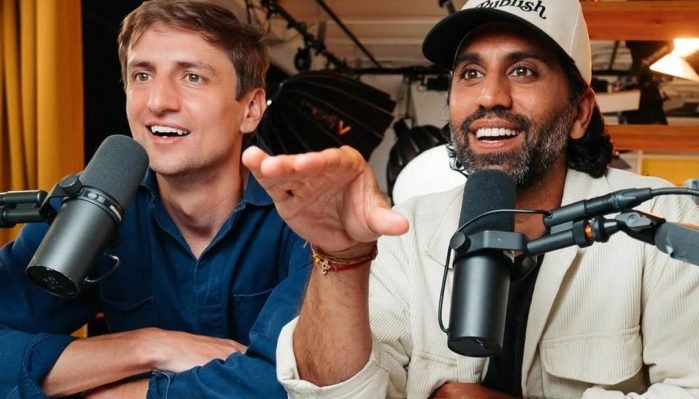

Colin & Samir – Creator Startup Cohort 2: Build the Business Behind Your Content
A creator can have a growing audience and still have an unpredictable business.
One month brings a sponsorship. The next month is quiet. A brand reaches out, but there’s no clear rate card or pitch deck ready. Another opportunity looks promising until the contract terms arrive and the creator realizes they haven’t thought through usage rights, deliverables, or payment conditions.
This is the business side of being a creator, and it’s a very different challenge from making good videos.
Colin & Samir’s Creator Startup Cohort 2 was built around that transition: moving from creating content to operating a creator business. Rather than focusing only on views, subscribers, or viral formats, the program concentrates on brand partnerships, sponsorship sales, financial planning, and the systems that help creators manage commercial relationships.
The original Cohort 2 was promoted as a 30-day learning experience with prerecorded training, practical exercises, and live sessions. Its central outcome was a working pitch deck and a clearer framework for building brand partnerships.
The creator business needs a plan of its own
Making videos is only one part of running a professional creator operation.
There are decisions to make about the type of companies to approach, the value of the audience, the services a brand can purchase, and the amount of work involved in each partnership.
A creator who hasn’t thought through these questions may end up negotiating every opportunity from scratch.
Creator Startup Cohort 2 approaches the business through four connected areas:
- Understanding the stages of a creator business
- Building a professional pitch deck
- Getting brand partnerships over the line
- Delivering campaigns and developing repeat relationships
The sequence matters. A strong pitch is more useful when the creator understands the business they’re presenting. A signed deal is more valuable when the creator knows how to deliver it professionally and build on the relationship afterward.
Part one: Build your pitch deck
The first chapter, Your Pitch Deck, is about understanding what brands are buying and giving them a clear way to evaluate a partnership.
The curriculum begins with an overview of the five stages of a creator startup. This provides a broader view of where a creator’s business stands and what needs to happen next.
From there, the training moves into developing a pitch deck through a sequence of eight videos.
A pitch deck is more than a collection of subscriber numbers and screenshots. It should help a potential partner understand the creator’s positioning, audience, content, and commercial opportunities.
The chapter also explores the advertising business and the different things a creator can offer a brand. This is important because sponsorships don’t all need to look the same.
A creator might offer a dedicated video, an integrated sponsorship, a series of placements, or another package that makes sense for the brand and the audience. Understanding these options helps create a more useful menu of services.
The first chapter also introduces the Brand Deal Financial Planner, which is designed to help creators forecast revenue and keep track of partnerships.
Other topics include common friction points in creator businesses and how to think about handling them.
The practical takeaway: A creator should be able to explain what they offer, who they reach, and why a brand might want to work with them—without improvising the entire presentation during a sales conversation.
Part two: Getting a yes from the brand
Having a polished pitch deck is a start. It doesn’t automatically create partnerships.
The second chapter, Getting a Yes From the Brand, focuses on the process of using that presentation to approach potential partners and negotiate a workable agreement.
The publicly described lessons cover several stages of the pitching process.
Identify the brands worth pursuing
The program includes developing a list of north-star brands. These are companies that a creator would genuinely like to work with and that make sense for their content, audience, and positioning.
This is a more focused approach than sending the same generic pitch to every company with a marketing department.
Understand inbound opportunities
Sometimes a brand contacts the creator first. That doesn’t mean every opportunity should be accepted immediately.
Creators need to understand what the company wants, what the campaign involves, whether the partnership fits their audience, and what commercial terms are being proposed.
Learn to approach brands directly
The chapter also covers cold outreach. This is relevant to creators who want to build a pipeline instead of depending entirely on inbound sponsorship requests.
A thoughtful outreach message should explain why the creator is contacting that particular company and what kind of collaboration could make sense.
Understand representation and negotiation
The course outline includes a conversation with an agent and a discussion of working with representation. It also covers the pitch process, the creator’s role in negotiations, and how to negotiate a contract.
A guest conversation with a brand CEO is included in the described material, offering a perspective on what companies consider when deciding whether to work with creators.
Pay attention to the legal side
Brand partnerships involve obligations on both sides. The curriculum includes a legal discussion and a walkthrough of a vetted brand contract template.
Creators should still have agreements reviewed for their own circumstances. Contract requirements, advertising disclosures, intellectual-property rights, exclusivity, payment schedules, and content usage permissions can vary from one deal to another.
Part three: Deliver the deal and make the relationship last
Getting a brand to sign an agreement is not the finish line.
The final chapter, Execution & Renewal, addresses what happens after the partnership is agreed.
This stage is easy to underestimate. A creator might be excellent at producing content but still need a more organized process for handling campaign requirements, approvals, deadlines, and communication with the brand.
The listed curriculum explores the execution phase and distinguishes between brand-led and creator-led integrations.
That distinction matters because the two approaches can involve different responsibilities. Some campaigns are tightly directed by the advertiser, while others give the creator more freedom to develop the integration in their own style.
The course also discusses creating a strong integration that meets or exceeds brand expectations.
The final topic is turning a one-off sponsorship into a longer-term relationship.
A successful campaign can create the foundation for another collaboration, but renewal depends on more than simply delivering a video. Communication, reliability, audience fit, campaign execution, and the overall working relationship all contribute.
The objective is to approach sponsorships as partnerships that can develop over time rather than isolated transactions.
The resources that accompany the training
The advertised Cohort 2 package includes several practical resources designed to support implementation.
Creator Startup Digital Workbook
The workbook accompanies the video lessons and provides a place to apply the training to an individual channel and business.
Brand contract template
The program describes a ready-to-use contract template developed with legal input. It can serve as a starting reference, but creators should confirm that any agreement is suitable for their jurisdiction and the particular partnership.
Brand Deal Financial Planner
This resource is designed to help creators plan potential partnership revenue and keep track of deals. Financial visibility can be especially useful when sponsorship income fluctuates from month to month.
Pitch deck development
The pitch deck is one of the central practical outputs of the program. It gives creators a structured way to communicate their value and present potential partnership opportunities.
The original Cohort 2 description also references 22 prerecorded video modules across three chapters, alongside the cohort’s live learning experience.
The exact resources and access conditions should be checked against the specific product being offered. A recording archive may not include the original live sessions, instructor feedback, or other time-limited cohort features.
Who is this program intended for?
Creator Startup Cohort 2 is most relevant to creators who have already started building an audience and want to become more professional about the commercial side of their work.
YouTube creators who want to develop a more organized approach to sponsorships may find the pitch-deck and negotiation material useful.
Established social media creators can explore how to present their audience and content as a potential partnership opportunity.
Independent video producers may benefit from learning how to package their work, approach brands, and manage client relationships.
Creator-business operators who already have sponsorship experience may find the financial planning, contract, execution, and renewal topics particularly relevant.
It is less suitable for someone who hasn’t started creating content and is primarily looking for beginner video-editing lessons, viral growth tricks, or a basic introduction to social media.
The original program description specifically recommends some existing publishing experience and at least one previous brand deal as useful preparation.
What makes the business-first approach useful?
Many creator education programs concentrate on producing more content. That is an important skill, but professional creators eventually need to make decisions about revenue, operations, and partnerships as well.
A business-first approach encourages creators to ask different questions:
- Which brands are a genuine fit for my audience?
- What can I offer beyond a single sponsored post?
- How should I present my value to a marketing team?
- How do I price a partnership without guessing?
- What should I review before signing a contract?
- How can I make campaign delivery more reliable?
- What would make a brand want to work with me again?
These are practical business questions, not simply content-production questions.
The value of the curriculum is in connecting them into one process. A pitch deck, financial planner, contract template, and partnership workflow can help a creator become more organized when approaching commercial opportunities.
A sensible way to apply the lessons
Start by reviewing your current creator business.
Write down your audience, content formats, strongest topics, previous partnerships, and the type of brands that would make sense for your channel.
Then build or improve your pitch deck. Make sure it communicates your positioning and the opportunities you can offer. Avoid relying on vanity metrics alone; brands need a clear reason to understand the value of a potential collaboration.
Next, create a realistic target list. Research companies whose products and customers align with your content. Prepare individual outreach rather than sending an identical message to every contact.
When opportunities arrive, review the campaign requirements and commercial terms carefully. Keep records of deliverables, deadlines, payment conditions, approvals, and content usage rights.
After a campaign, assess what worked and what could be improved. A professional follow-up can help keep the relationship open for future opportunities.
This turns the program’s ideas into a working business process rather than leaving the lessons as information that never gets used.
Final assessment
Colin & Samir – Creator Startup Cohort 2 addresses a stage of the creator journey that often receives less attention than audience growth: running the business behind the channel.
Its three-chapter structure moves from pitch-deck development to brand outreach and negotiation, then into campaign execution and renewals. The workbook, financial planner, and contract template add practical business resources to the training.
For creators who already publish regularly and want to become more confident with sponsorships, the material offers a useful framework for thinking about brand partnerships as an ongoing business activity.
It should not be viewed as a promise of sponsorship income or guaranteed brand deals. Results depend on the creator’s audience, niche, content quality, market, commercial offer, and ability to build relationships.

Reviews
There are no reviews yet.