
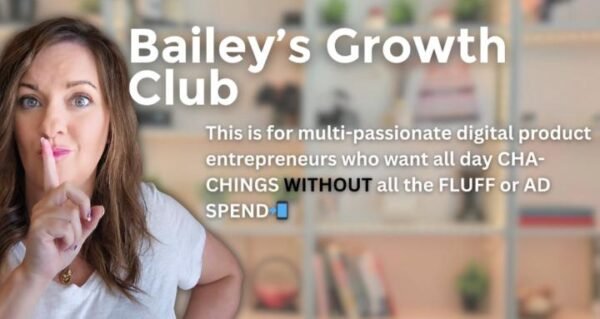

Bailey Vann – Bailey’s Growth Club : A creative idea is only the beginning. The real work is building a shop around it.
There is a familiar situation for anyone who has tried selling digital products online: you have ideas, you experiment with designs, you open an Etsy shop, and then you start wondering what to do next.
Which audience should you focus on? What products are worth creating? How do you make a listing more appealing? And how can you bring visitors to your shop without spending every day trying to keep up with social media?
These are the kinds of practical business questions that Bailey Vann’s Bailey’s Growth Club is designed to address.
The program centers on building a digital product business through AI-assisted design, Etsy, print-on-demand, and other online selling opportunities. Its approach connects the creative side of product development with the less glamorous—but equally important—parts of running a shop, including research, listing optimization, marketing, and ongoing improvement.
For someone who enjoys creating but feels unsure about turning that creativity into a business, this is the main idea behind the training: give your work a clearer commercial direction.
Start with the customer, not the design
One of the biggest mistakes new digital product sellers can make is creating a large collection of products before understanding who might want them.
A design can look attractive and still struggle to sell if it does not connect with a particular audience or buying occasion. Growth Club’s published material places emphasis on audience selection and finding opportunities before investing too much time in product creation.
That means thinking about questions such as:
- Who is the product intended for?
- What interests, occasions, or needs bring that audience to Etsy?
- Are there signs of existing demand?
- How competitive is the product category?
- Could a more specific audience or product angle make the offer clearer?
This type of research gives product creation a purpose. Instead of making random designs and hoping one catches attention, sellers can work toward a shop with a recognizable direction.
The AI design workbench
AI tools have made it easier for individuals to experiment with digital artwork and product concepts. They can help generate visual ideas, explore different styles, and speed up parts of a creative workflow.
But having access to an AI image generator does not automatically create a good product. A design still needs to make sense for its intended buyer, suit the product format, and be presented professionally.
Growth Club is associated with training around AI image creation and designing products with market appeal. The broader lesson is to use AI as a production assistant rather than treating it as a substitute for product judgment.
A sensible workflow might look like this:
- Choose a specific audience or product opportunity.
- Research the styles and formats that fit that market.
- Develop design concepts with suitable creative tools.
- Review the results for quality and relevance.
- Prepare the finished files for the intended product.
- Create a listing that clearly explains what the customer receives.
That process can help reduce unstructured experimentation and make it easier to build a consistent product collection.
Etsy is the storefront, not the entire business
Etsy can provide access to shoppers who are already browsing for digital downloads, but opening a shop is only one part of the work.
Product presentation, search visibility, pricing, customer expectations, and the quality of the listing all influence how a product is received. Growth Club’s published material includes training related to Etsy operations, product listings, SEO, and sales tactics.
A useful listing needs to do more than contain a few keywords. It should make the product understandable at a glance. Buyers should know what is included, what file format they can expect, how the product is used, and whether it is suitable for their needs.
The same principle applies to product images. Clear previews and accurate mockups help shoppers understand what they are purchasing. The goal is not to make a product look bigger or more impressive than it is; it is to present the actual item in a way that makes the buying decision easier.
Three possible directions for building revenue
Third-party descriptions of the Growth Club offer refer to different paths for developing an AI-assisted digital product business, including audience-focused selling, bundle strategies, and social-audience approaches. These are best understood as business models to explore rather than guaranteed income routes.
Audience-focused products
This approach starts with a defined customer group and builds products around its interests. A focused shop can make it easier to develop related products and maintain a consistent identity.
Bundles and product collections
Rather than relying entirely on individual low-priced downloads, sellers can explore combining related products into a more complete offer. Bundles may provide convenience and a clearer value proposition when the items genuinely work well together.
Social traffic and audience building
A shop does not have to depend exclusively on marketplace discovery. Content, Pinterest, email, and other relevant channels can help introduce products to potential buyers. The challenge is choosing channels that fit the audience and maintaining a realistic publishing routine.
These approaches can be tested separately or combined over time. The right choice depends on the products, available time, audience, and the seller’s ability to manage each channel.
Beyond digital downloads: print-on-demand and Pinterest
The Growth Club materials also reference a hybrid print-on-demand approach and a Pinterest-focused traffic strategy.
Print-on-demand offers another way to use creative designs. Instead of selling only downloadable files, a seller can explore placing suitable artwork on physical products fulfilled by a print-on-demand provider. This introduces additional considerations, including production costs, delivery times, product quality, customer service, and profit margins.
Pinterest can serve as a discovery channel for products that have strong visual appeal. Pins can direct interested users toward product pages or other relevant destinations. However, traffic is not the same as sales. Product-market fit, listing quality, pricing, and the shopping experience still matter.
These channels can add variety to a business, but they also create more moving parts. It is worth getting one product and sales process working before trying to operate every channel at once.
Frequently Asked Questions
1. What is Bailey Vann’s Bailey’s Growth Club?
Bailey’s Growth Club is a training program focused on building a digital product business using AI-assisted design, Etsy, print-on-demand, and other online selling strategies.
2. Does the program cover AI product creation?
Published descriptions associate the program with AI image creation and product design workflows. Check the specific edition to confirm the exact tools and lessons included.
3. Is Etsy part of the training?
Yes. Etsy is a central part of the program’s published positioning, with related topics including product research, listings, SEO, and sales strategies.
4. Does it cover print-on-demand?
Published course descriptions reference a hybrid print-on-demand approach. The exact tutorials and provider integrations should be confirmed for the package being offered.
5. Is Pinterest included?
Third-party descriptions mention a Pinterest-focused traffic strategy. Verify that the relevant materials are included in your particular edition.
6. Is this suitable for beginners?
The subject matter is relevant to people starting a digital product shop, although beginners should be prepared to learn marketplace basics, product preparation, and customer service alongside the creative work.
The less visible side of running a shop
Creating products is often the enjoyable part. Maintaining a business requires a different kind of consistency.
Sellers need to review which listings attract attention, identify products that are not performing, update descriptions and images where appropriate, and decide what deserves more effort. They also need a basic understanding of customer communication, file delivery, marketplace rules, and intellectual property.
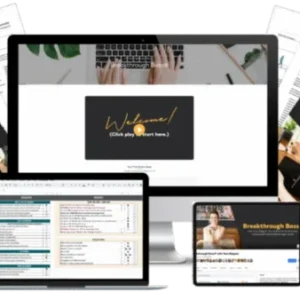
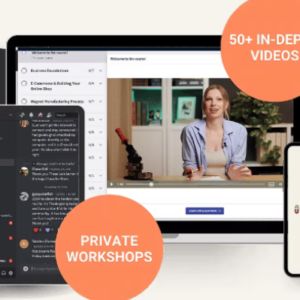
Published descriptions of Growth Club mention tools, templates, walkthroughs, coaching, and community support. The exact availability of those elements can vary by version or enrollment package, so they should be checked against the specific offer being sold.
The practical value of any resource library depends on whether it helps a student complete real tasks. A prompt collection, for example, is most useful when the student understands how to adapt it to a particular audience and product. A template is useful when it saves time without making every listing look identical.
Who may find this training relevant?
Bailey’s Growth Club is most closely aligned with people who:
- Want to explore selling digital products online.
- Are interested in using AI tools as part of a design workflow.
- Have an Etsy shop or are considering opening one.
- Want to learn more about product research and listing presentation.
- Are curious about print-on-demand and alternative traffic channels.
- Prefer structured guidance over trying to piece together every step independently.
It may be less suitable for someone expecting a ready-made shop, guaranteed sales, or a business that runs without ongoing work. Product selection, design review, listing creation, marketing, and customer support still require decisions and effort.
A realistic way to approach the material
The most useful way to work through a program like this is to treat it as a business-building process rather than a collection of videos to finish.
Start with one audience. Research a small group of product ideas. Create a manageable first collection, prepare accurate listings, and observe how shoppers respond. Use those observations to decide what to improve next.
Once the basics are working, consider whether bundles, print-on-demand, Pinterest, or email marketing make sense for the shop. Expanding in stages makes it easier to understand which activities are actually helping.
It is also important to account for marketplace fees, software subscriptions, advertising costs, taxes, and the time required to maintain the business. Revenue claims and example success stories should not be treated as typical or guaranteed outcomes.
Final thoughts
Bailey Vann’s Bailey’s Growth Club brings together several areas that matter to an AI-assisted digital product business: audience research, creative production, Etsy selling, product presentation, and additional ways to reach customers.
Its appeal is the connection between making digital products and learning how to sell them as part of a broader business. For a creative beginner, that wider perspective can be more useful than learning design techniques in isolation.
The best results from this type of training will depend on careful product selection, consistent implementation, and a willingness to test and refine the shop over time.


Reviews
There are no reviews yet.